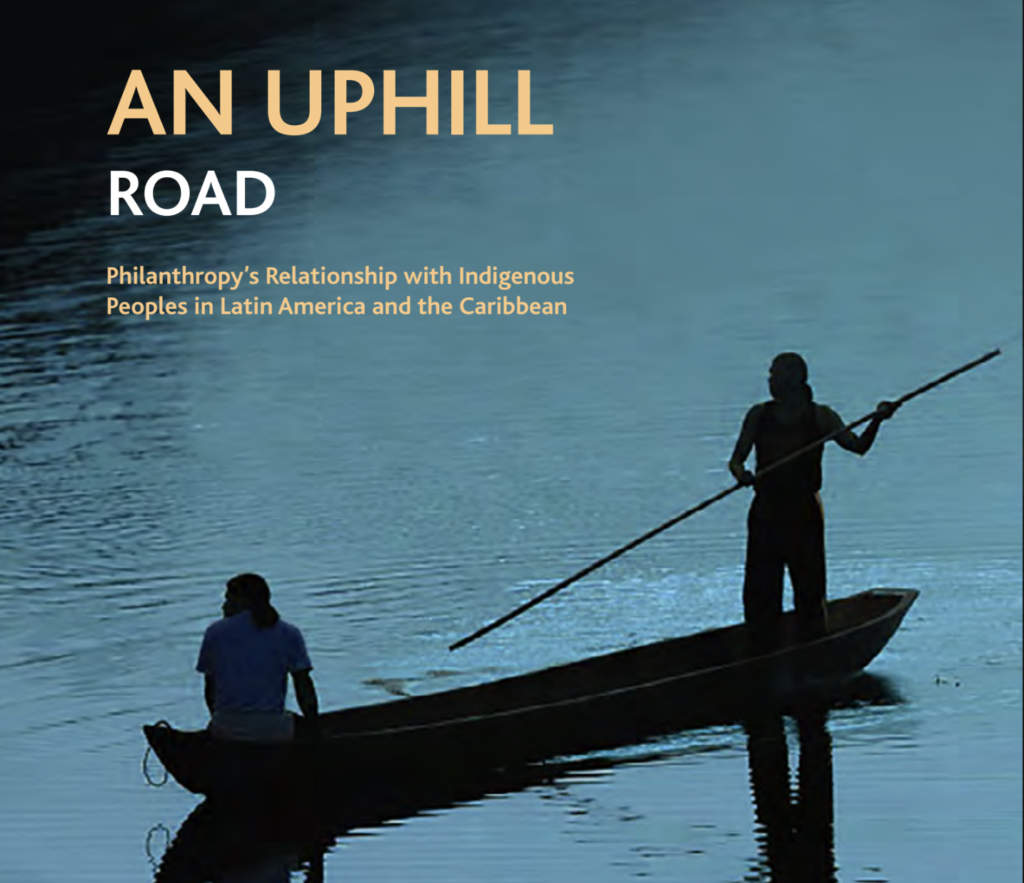
This summary outlines the evolving relationship between philanthropic organizations and Indigenous Peoples in Latin America and the Caribbean as detailed in “An Uphill Road.”Context and Evolution
Historically, philanthropic engagement with Indigenous Peoples transitioned from colonial charity and “indigenism” to developmentalism. Current efforts are beginning to incorporate indigenous values such as reciprocity, human rights, and self-determination. Despite this progress, Indigenous Peoples remain underfunded, with the majority of resources channeled through non-indigenous intermediaries.Indigenous Agenda and Organization
Indigenous movements center on the right to “be Peoples” and exercise self-determination. Key emerging demands include:
- Equality in Diversity: Addressing intersectional oppression, specifically concerning women, youth, and LGBTQ+ individuals.
- Environmental Justice: Protecting Mother Earth and utilizing indigenous knowledge to combat climate change.
- Governance and Autonomy: Strengthening self-government, land rights, and structural reforms within States.
- Direct Resource Access: Establishing indigenous-led funds to manage resources directly.
Unlike NGOs, indigenous organizations are defined by their collective nature, territorial ties, and political-cultural missions. They often face significant barriers when attempting to meet Western-style administrative and legal requirements imposed by donors.Global Governance